Spring is an exciting time on Australian dairy farms – but as the flush arrives, so too does an increased risk of bloat, particularly where cows are grazing lush, leafy pasture with high levels of clover or other legumes.
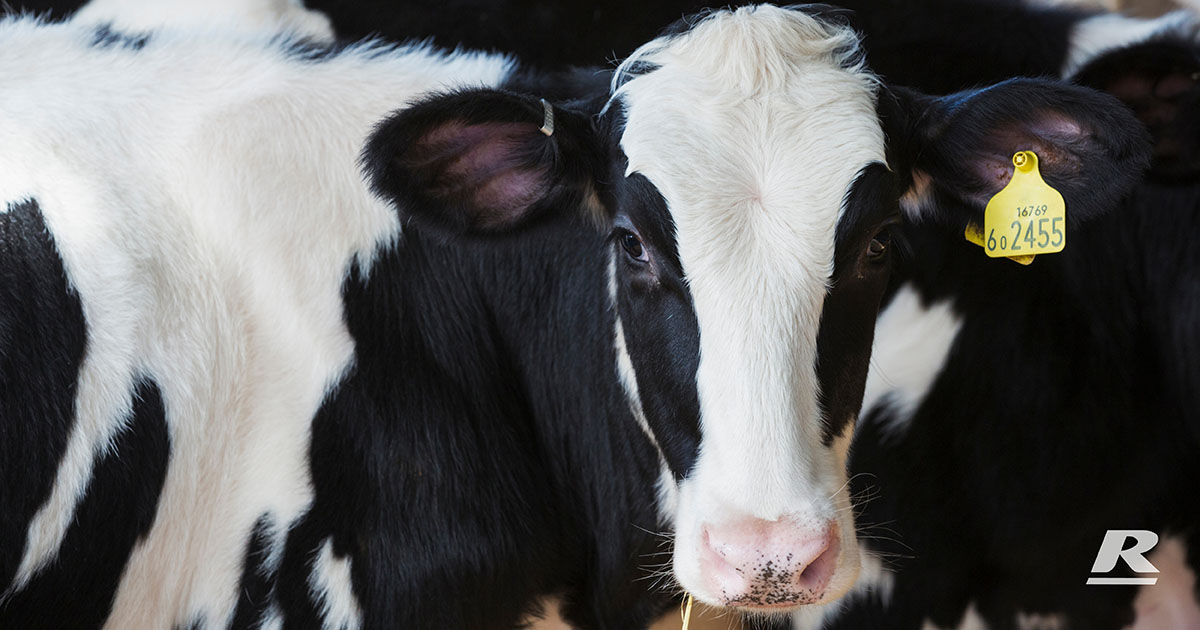
Bloat occurs when gas produced during rumen fermentation becomes trapped in a stable foam, preventing the cow from effectively releasing the gas. If severe, bloat can develop rapidly and become life-threatening. Lush, highly digestible pastures, particularly those containing significant amounts of clover or lucerne, are recognised risk factors.
Why is spring pasture a higher-risk period?
As pasture quality improves, cows can consume large quantities of highly digestible feed in a short period. Young, leafy clover-rich pasture can be particularly high risk, while wet conditions can further increase pasture digestibility.
The risk can be even greater when cows move quickly from lower-quality winter feed onto lush spring pasture.
Dairy Australia recommends careful pasture management through spring, including monitoring pasture growth and maintaining appropriate grazing residuals.
What can farmers do to reduce the risk?
There is no single solution to preventing bloat, so a whole-diet approach is important.
1. Avoid sudden changes
Introduce cows to lush, high-risk paddocks gradually rather than allowing unrestricted access after a period on lower-quality feed.
2. Provide adequate fibre
Offering quality hay, silage or another suitable fibre source can help slow pasture intake and support normal rumen function. Keeping cows adequately fed can also help reduce the intensity of grazing on high-risk pasture.
3. Manage pasture carefully
Monitor clover levels, pasture maturity, grazing conditions and how quickly cows are consuming the available feed. Wet, lush pasture can present a particularly high-risk combination.
4. Consider preventative bloat control
Where farms regularly experience bloat risk, discuss appropriate preventative options with your nutritionist or feed supplier. Different farms and feeding systems require different strategies, so a tailored approach is preferable to a one-size-fits-all solution.
Spring feeding is about more than simply making the most of the pasture in front of the cows. It’s about balancing pasture quality, fibre, energy and intake to support milk production while managing potential animal health risks. The Reid Stockfeeds team can work with you to assess your current feeding program and identify practical ways to reduce bloat risk through diet and feed management.
This spring, don’t wait for bloat to become an issue. Whether you need a suitable fibre source, a balanced feed program, or simply want to review your spring grazing strategy, getting ahead of the risk is always better than reacting to a problem – and your local Reid’s representative can help you put a plan in place before the pasture really takes off.
For more information, contact your Reid Account manager to discuss the best transition program for your herd. We offer animal feed in both pellet and mash form and are dedicated to empowering you with expert advice to support the health and performance of your cows. Call 1300 REID FEED or enquire here >
 Author
 Author
Dominique Smits
Sales & Nutrition
