Spring is one of the most exciting times of the year on an Australian dairy farm. Pastures are growing quickly, paddocks look green and full, and there can be an understandable temptation to think the cows have all the feed they need.
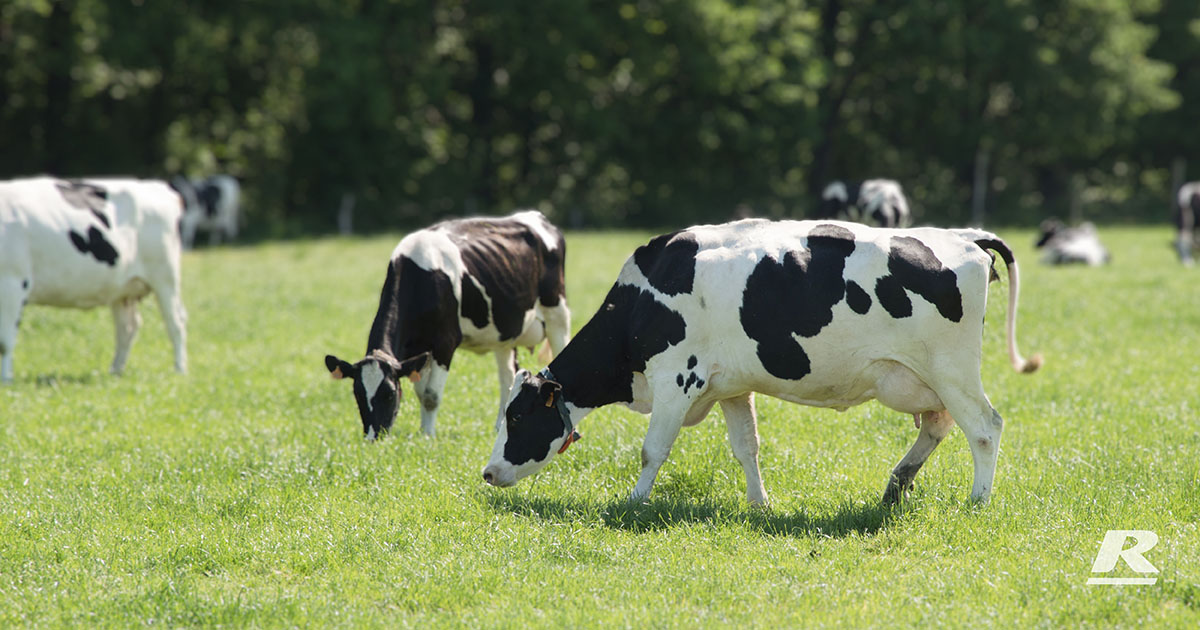
But a paddock that looks full of grass isn’t necessarily providing everything a high-producing dairy cow needs.
The real question isn’t simply, “How much grass is in the paddock?” It’s “What is that grass actually supplying the cow?”
Green doesn’t always mean enough
Spring pasture can provide excellent nutrition, but its quality and consistency can change rapidly. As pasture matures, the balance of energy, protein, fibre and digestibility changes. Weather, pasture species, soil fertility, grazing pressure and the stage of growth can all influence what the cow actually receives.
A paddock can look impressive from the gate while the available feed is not supplying enough energy to support milk production, or the right balance of protein and effective fibre to maintain rumen function and production.
This becomes particularly important for high-producing cows.
A cow producing large volumes of milk has a very high nutritional demand. She can only eat so much pasture in a day, and even excellent spring pasture may not provide enough nutrients to match that demand consistently.
Look at the cow, not just the paddock
One of the best indicators of whether the feeding program is working is the cow herself.
Are production levels holding up? Are cows maintaining body condition? Are they grazing aggressively and then appearing hungry again? Is there a noticeable drop in milk production later in the season or between grazing rotations?
These signs can indicate that pasture quantity may not be the whole story.
It is also worth considering dry matter intake, rather than judging pasture simply by how green or dense it looks. A paddock might contain plenty of fresh growth, but if the cow cannot physically consume enough dry matter, she may still be operating below her nutritional requirements.
The importance of fibre
Fibre is another piece of the puzzle that can easily be overlooked when spring pasture is lush and highly digestible.
While high-quality pasture can be highly nutritious, cows still require sufficient effective fibre to support chewing, saliva production and healthy rumen function.
The goal isn’t to replace good pasture. It is to make sure the overall diet is balanced.
When pasture needs a helping hand
This is where strategic supplementation can make a difference.
Additional feed can help fill nutritional gaps when pasture alone isn’t meeting the requirements of the herd. Depending on the pasture, production level and overall feeding system, this might mean supplying additional energy, protein, fibre – or a combination of these.
The important thing is to match the supplement to the actual requirement rather than simply adding feed because the paddock “looks short.”
Reid Stockfeeds can help dairy farmers assess their feeding requirements and select additional feed inputs to complement available pasture. The aim is to support cows through periods when pasture quality, quantity or nutrient balance isn’t quite keeping pace with production demands.
Make the most of spring pasture
Spring pasture is an incredibly valuable feed source. The objective isn’t to question its value, but to make sure we’re getting the most from it.
Before assuming the cows are fully fed, ask:
- Is there enough dry matter available for the herd?
2. Is the pasture supplying enough energy for current milk production?
3. Is protein balanced with the rest of the diet?
4. Is there enough effective fibre to support rumen health?
5. Are cows maintaining production and body condition?
A paddock can look full from the gate and still leave a high-producing cow short of what she needs. Good pasture is the foundation. Good nutrition is about making sure the whole diet works.
If your spring pasture is looking good but the cows aren’t quite telling the same story, talk to Reid Stockfeeds about how a targeted feed program could help bridge the gap.
For more information, contact your Reid Account Manager to discuss the best strategy for your herd. We offer animal feed in both pellet and mash form and are dedicated to empowering you with expert advice to support the health and performance of your cows. Call 1300 REID FEED or enquire here >
