
Spring pasture is one of the great advantages of Australian dairy farming – but when quality ramps up, it’s easy to overlook one important part of the diet: fibre.
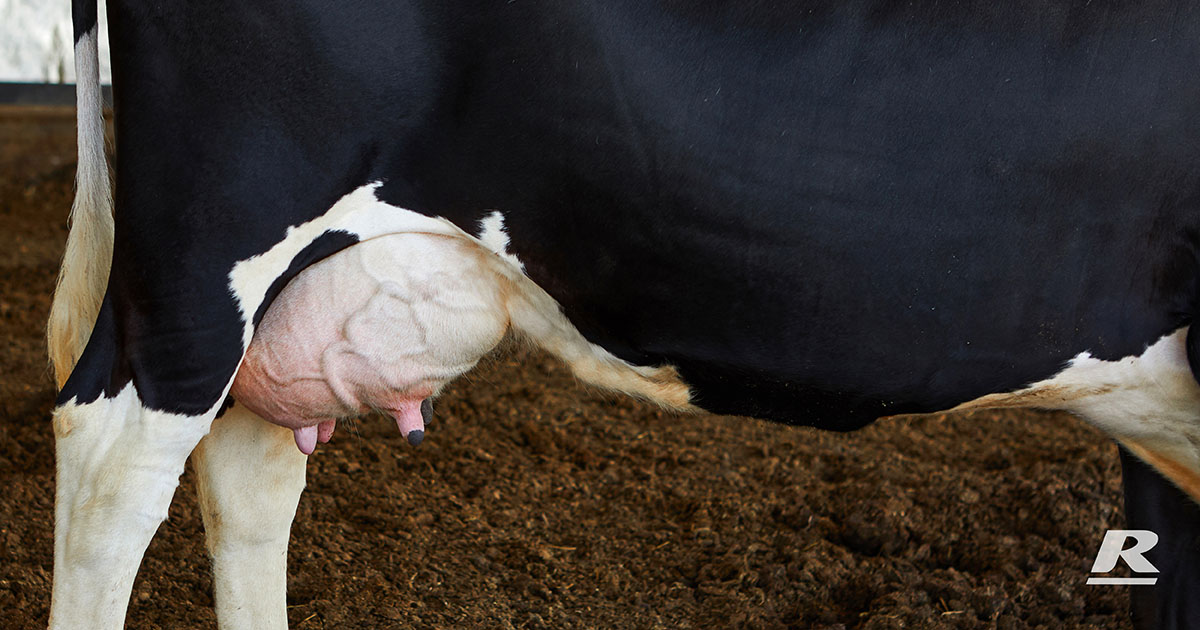
Lush spring pasture can be high in sugars and highly digestible carbohydrates while being relatively low in effective fibre. For a lactating cow, particularly a high-producing cow also receiving grain or concentrate, this combination can increase the risk of poor rumen function and subacute ruminal acidosis (SARA).
Fibre keeps the rumen working
Effective fibre stimulates chewing and rumination, which increases saliva production and helps naturally buffer the rumen. It also supports a healthy rumen environment, allowing cows to make better use of the energy available in their diet.
Dairy Australia recommends that early-lactation diets contain approximately 28-32% NDF, with around 70–75% of that NDF being physically effective.
The challenge in spring is balancing this fibre requirement without unnecessarily reducing the energy density of the diet. Adding a suitable fibre source such as quality hay, silage or other appropriate forage can help maintain rumen function when pasture alone is not providing enough effective fibre.
Getting this balance right isn’t always straightforward, and it changes as pasture conditions shift week to week. Reid Stockfeeds works with dairy farmers to formulate rations and fibre strategies that suit their herd and paddock conditions through spring.
Watch the signs
A diet that is too low in effective fibre, particularly when combined with rapidly fermentable pasture sugars and grain, can contribute to reduced cud chewing, loose manure, reduced feed intake, milk production losses and declining milk fat. Milk fat depression is commonly observed around winter and early spring when cows are consuming lush pasture or diets containing high grain and low roughage.
Spring management matters
As pasture conditions change rapidly, monitor what cows are actually consuming rather than simply what is available in the paddock. Introduce significant dietary changes gradually, allowing rumen microbes time to adapt.
The goal isn’t simply to feed more fibre – it is to provide the right amount of effective fibre while maintaining the energy and protein required for milk production.
This spring, don’t let lush pasture fool you. A healthy rumen is the foundation for a healthy, productive cow – and effective fibre is a key part of keeping that rumen working. Speaking with your local Reid’s representative can help you work out the right fibre and farm management strategy for your herd this season.
Talk to your local Reid’s dairy specialist today about the benefits of our mash and the products we can offer to suit your requirements on 1300 REID FEED or enquire here >
 Author
 Author
Dominique Smits
Sales & Nutrition
