
A clean, well-maintained silo does a lot of quiet work on farm. It protects the quality of your feed and keeps your stock healthy, and it helps every delivery run smoothly. The topic has come up with a few customers recently, so we’ve put together a refresher on what we recommend.
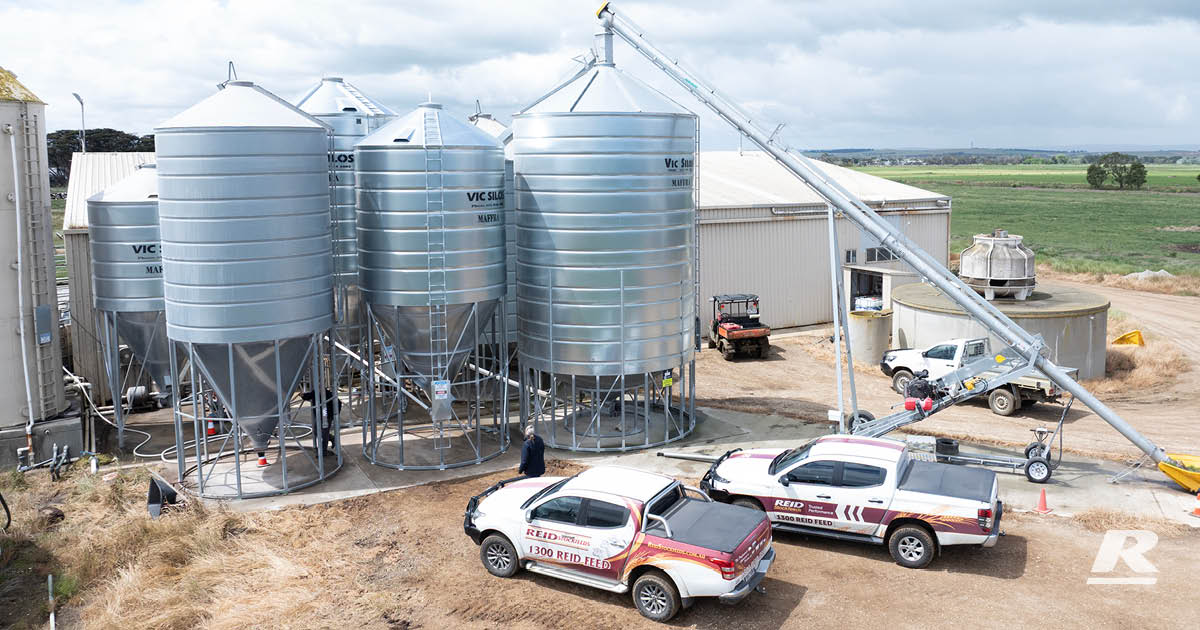
Setting up for delivery
Our drivers want to get your feed into the right bin quickly and safely. Keeping the approach and the area around each silo clear of low branches, fencing wire and other obstructions makes a big difference. So does checking that overhead powerlines are well out of the truck’s path. Farm tracks in good condition are also safer for heavy vehicles and help keep dust down.
If you have more than one silo, label or number each one clearly. When you place your order, tell us which silo it’s for. It’s a simple step that avoids mix-ups on the day.
Keeping silos clean
Silos naturally hold some moisture. This can cause feed to sweat and stick to the walls, and that’s often where spoilage and mould begin. Rather than continually topping up, let the silo run empty from time to time. Then check the walls for any pellets or mash that have lodged there before the next load goes in.
Old grain and pellet dust can be cleared by sweeping, vacuuming or using compressed air. Even small amounts left behind can attract pests. If caked-on feed needs washing out, choose a dry, low-humidity day with good airflow, and make sure the silo is completely dry before it’s refilled. Loading feed into a damp silo is one of the quickest ways to lose it to spoilage.
Silos are confined spaces, so please don’t climb inside to clean them. If a job needs more than can safely be done from outside, it’s best left to a specialist.
Maintaining the structure
Keep an eye on the silo itself as well. Lids, hatches and inspection covers should seal properly against rain. Vents should be kept clear so that manufactured feeds like pellets can release heat. Moisture can also build up further down the line, so boot boxes, augers and automatic feeders benefit from regular cleaning too.
Need some advice?
If you’re dealing with spoiled feed or getting your system ready for a delivery, our team is happy to help. Let your field representative know what stock you’re running and what type of silo you have, and we can give you advice for your setup.
