
Transition feeding is the nutritional and management program used to prepare dairy cows for calving and early lactation.
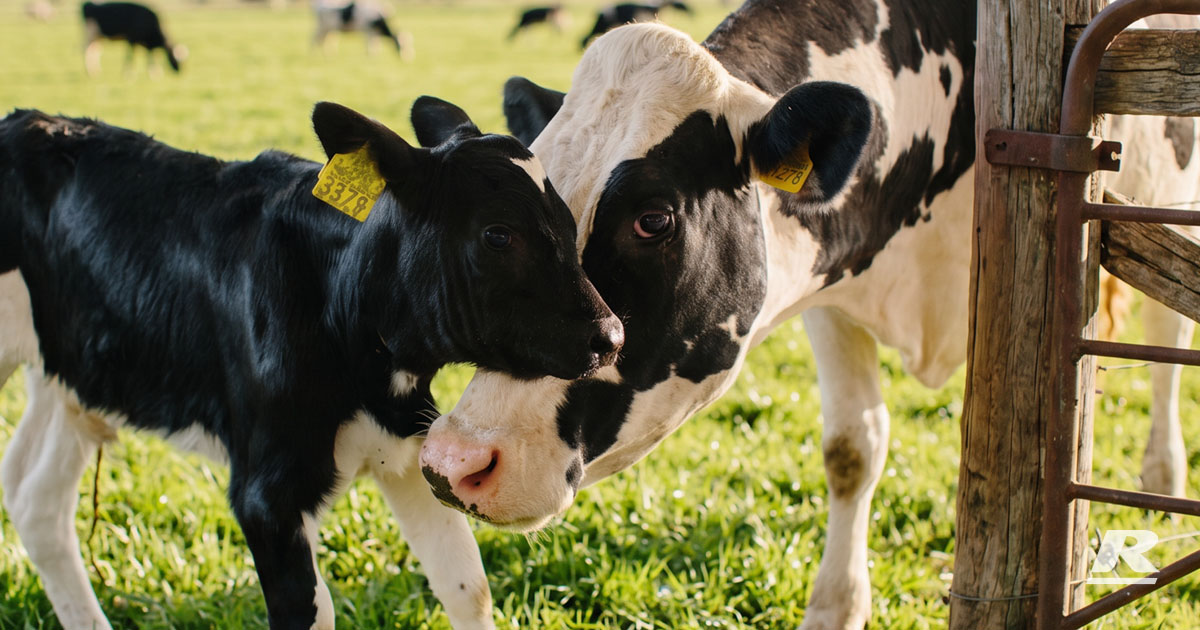
The transition period is commonly considered the three weeks before and three weeks after calving, when the cow changes from late pregnancy to high milk production. It is the most important phase in the production cycle because its sets the cow up for the full lactation. Small mistakes in intake, minerals or ration changes can quickly lead to health issues such as milk fever, ketosis, displaced abomasum, retained placenta, metritis and lower peak milk yield.
The aim of transition feeding
The aim is to keep cows eating, maintain rumen function, support calcium metabolism and minimise excessive mobilisation of body fat. In late pregnancy, dry matter intake naturally falls while the growing calf, udder development and hormonal changes increase nutrient demand. After calving, milk synthesis raises the requirement for energy, protein, calcium, magnesium and other nutrients faster than intake can recover. A good transition diet reduces this gap and helps cows enter the milking herd with strong appetite and fewer health problems.
Designing the close-up ration
The close-up ration should be consistent, palatable and based on tested forages. Energy density must be high enough to meet requirements but not so high that cows gain excess condition or suffer reduced intake. Many herds use a controlled-energy approach with adequate physically effective fibre from straw or mature forage to promote rumination and rumen fill. Protein supply should support the developing calf, colostrum production and immune function, while avoiding unnecessary nitrogen waste. Feed changes should be introduced gradually so rumen microbes adapt before fresh cows move onto a higher-energy lactation diet.
Minerals, DCAD and milk fever prevention
Mineral balance is a central part of transition feeding. Calcium demand is low during the dry period but rises sharply at calving when colostrum and milk production begin. To prepare the cow’s calcium control system, close-up diets are often formulated with a negative dietary cation-anion difference, known as DCAD. This means reducing potassium and sodium while increasing chloride and sulphur, usually through low-potassium forages and anionic supplements. A negative DCAD diet encourages mild metabolic acidification, making the cow more responsive to parathyroid hormone and improving calcium mobilisation. Urine pH monitoring is a practical way to check whether the program is working.
Fresh cow feeding
Fresh cow feeding should focus on restoring dry matter intake, supporting rumen adaptation and reducing the depth of negative energy balance after calving. The fresh ration is usually higher in energy and protein than the close-up diet, but changes should be managed carefully to avoid acidosis and digestive upset. Highly digestible forages, effective fibre, balanced starch, adequate metabolizable protein and consistent access to clean water are key. Some herds also use protected fats, yeast products or rumen buffers where they fit the ration and health goals. Fresh cows should be monitored closely for appetite, rumen fill, manure consistency, ketone levels and early signs of metabolic disease so feed or treatment responses can be made quickly.
Conclusion
Transition feeding is not simply a dry cow ration; it is a coordinated system that combines balanced nutrition, mineral control, feed consistency and a well-managed fresh cow program.
When cows maintain intake, adapt smoothly to the lactation diet and mobilise calcium effectively, they are more likely to calve cleanly, avoid metabolic disease and reach higher productive potential. Investing attention in the transition period therefore delivers benefits well beyond calving, supporting health, fertility, milk production and whole-herd profitability.
For more information, contact your Reid Account manager to discuss the best transition program for your herd. We offer animal feed in both pellet and mash form and are dedicated to empowering you with expert advice to support the health and performance of your cows. Call 1300 REID FEED or enquire here >
 Author
 Author
Hugh Archibald
Head of Nutrition & Technical Services
