Animal feeds are formulated to provide balanced nutrition to support growth, health, production and welfare.
Although the main components in formulations, in terms of percentage inclusion level, are cereals, fibre, fat and protein meals, the minor ingredients are just as important. Indeed, taking selenium as an example, those required in very small amounts exert a great deal of influence in maintaining health and productivity.
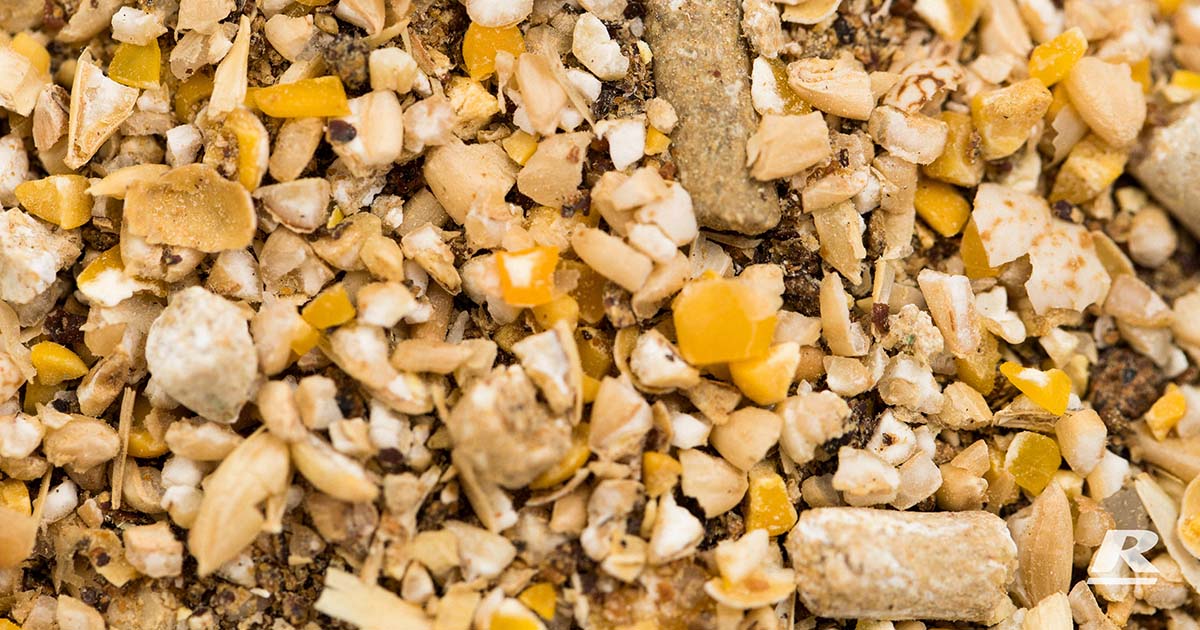
Premixes contain combined vitamins, minerals and technical ingredients (such as yeast for gut microbial balance or enzymes for nutrient release) that are needed in small, but essential, levels and balances to facilitate essential growth, metabolism, immunity and tissue function. Nutrition is not about absolute intakes – you can take your daily requirement of calcium, for example, but without vitamin D it is not available for utilisation in the body. Most vitamins and minerals act together in concert with each other. The loss of one essential element will prevent the function of all. Prof. Peter Surai, the guru of antioxidant nutrients, once described the interplay between vitamins and minerals as being like an orchestra. The loss of one instrument or section means you cannot play the music. Minerals need vitamins to facilitate mobilisation to target areas and for the use and laydown of nutrients. Biotin is important to mobilise amino acids into hoof and hair material, and both need to be present to allow this to happen. Insufficient amino acid intake will limit hoof growth, even when biotin is included in diets, and vice versa. So, balance is essential.
When formulating diets, premixes are the basis of micronutrient supply. They offer a vehicle for adding other technical ingredients that are included in diets to promote requirements including gut and bacterial microbiome development, immune and liver support. At a basic level, vitamins and minerals must be included in correct levels and balances to allow animals to grow and thrive. At a higher level, technical ingredient inclusion can optimise early health and growth and maximise meat, milk and egg production yields.
Mineral requirements can differ geographically, as expression in forage from grazing or preserved forms is dictated by soil fertility and the predominant minerals geographically. In Australia, iron intake in cattle and sheep is obtained from forage and soil intakes (consumed during grazing), and hence is not required in premixes. The bedrock of soil determines the available inorganic minerals found in the upper soil, and biological activity (soil microbiome and invertebrates such as worms) and pH dictate its availability to be taken up by roots and expressed in foliage. Hence, ironstone regions have soils rich in iron, limestone areas are rich in calcium, and so on. Growing season and type (grass and legume species) influences minerals from forage – so potassium and vitamin E is high in lush green pastures but are lower in mature pastures and hay.
When applying premixes in the mill, there are several considerations to be included. Inorganic minerals can be chemically aggressive and damage other micronutrients. To maintain activity and shelf life, mineral and vitamins may be provided in separate packs before being blended into the final diet, where dilution in cereals and other raw materials limits these harmful interactions. Using higher tech organic minerals and encapsulated micronutrients provide better stability and have better uptake from the gut and storage in tissues and organs. Hence, when formulating premixes, there are different quality options available.
The new foundation range of Reid Stock Feeds have been carefully prepared to include premixes that match the animal’s requirements during different periods of demand; early development, pregnancy, growth and peak production.
As forage and on-farm feeding systems vary greatly, the premixes used have been formulated to deliver 100% of the vitamins and minerals required, in balance and taking local conditions into account.
Talk to your local Reid’s Dairy Specialist today about the benefits of our mash and the products we can offer to suit your requirements on 1300 REID FEED or enquire here >
Author
Dr Lucy Waldron
PhD RNutr AAS RFellow (Massey)
Head of Nutrition and Technical Services
