This dry season is putting dairy systems under real pressure.
Feed costs are up, quality is less predictable, and every tonne of grain or silage has to earn its keep in the vat.
Most farms are already doing the basics well. The challenge now is getting more out of the same inputs – not just through what you feed, but through how well your herd actually uses it.
In this piece, Will Barber, Dairy and Genomics Manager – UK & Europe for St Genetics shares what he’s seeing on farms – and where feed efficiency is starting to separate the good systems from the great ones.
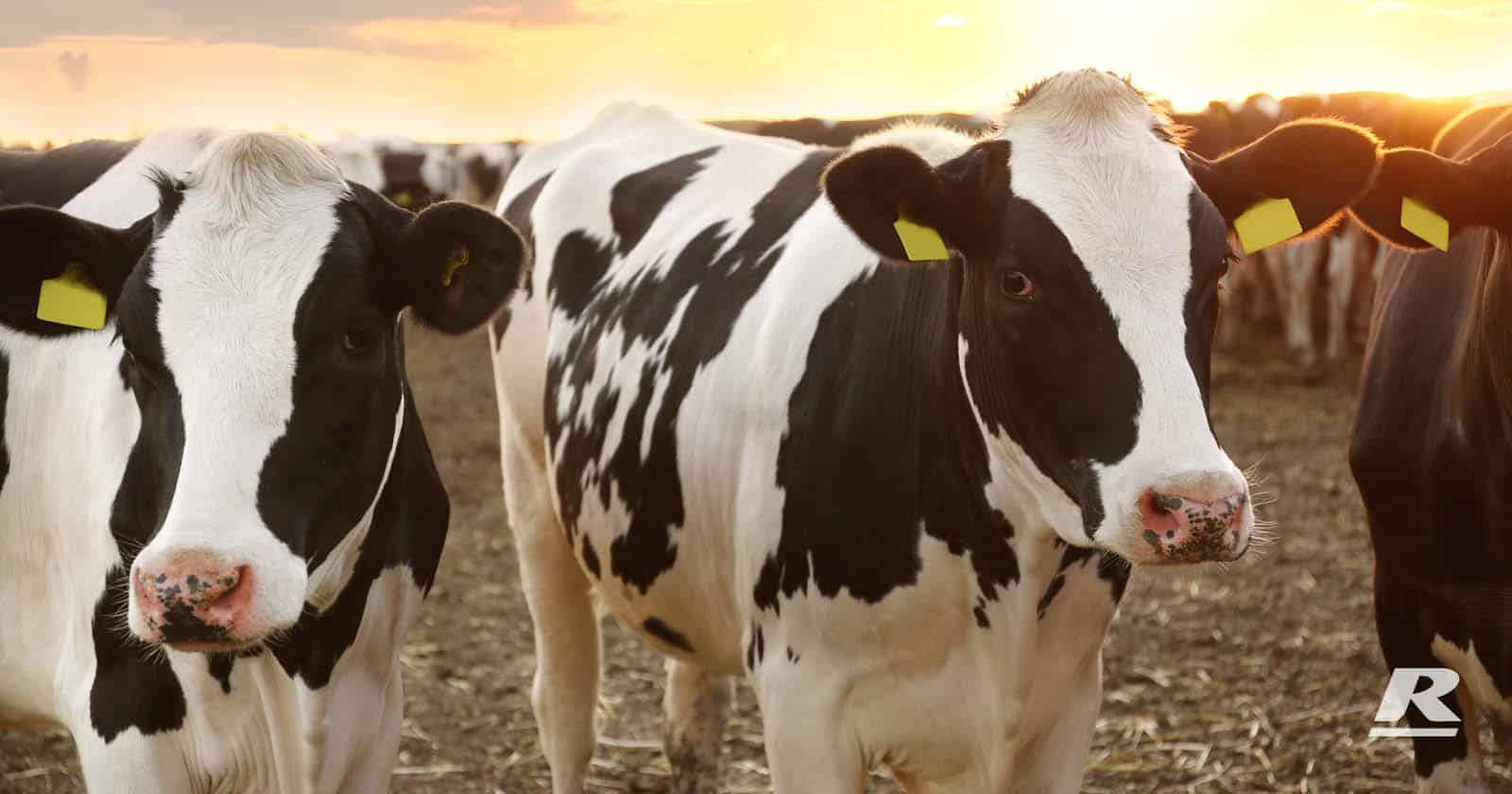
As we head into the dry and calving starts to ramp up, most dairy farms are feeling the same pressure – feed costs are high, quality can be variable, and there’s not much room for waste. Grain and silage bales are doing the heavy lifting, so every tonne you put in front of cows needs to come back out in the vat.
But there’s something I see regularly working with herds through Cogent Breeding Ltd and STGenetics programmes – a lot of farms are still feeding cows as if they’re all the same. They’re not.
Walk through any herd and you’ll see it. Two cows, same pen, same ration, same litres – but one holds condition better, goes back in calf easier, and just seems to cope when things get tight. That’s not luck. That’s genetics.
We’ve always selected milk, fat and protein, but now we can also measure how efficiently a cow turns feed into production. Traits like EcoFeed are starting to highlight cows that simply do more with less. And importantly, it’s not about cutting production – it’s about getting the same output from less feed. In a dry-season system, that’s where margins are made.
The most profitable cows aren’t always the ones that stand out. They’re the ones that milk consistently, don’t fall apart after calving, and don’t need feeding like racehorses to do a job. Put simply, they convert what they eat into milk, not maintenance. You can have two cows producing the same litres, but one will cost you less every single day to keep there. Spread that across a herd, and it adds up quickly. Even more important – feed efficiency is heritable, so the decisions you make now shape what your herd looks like in five years’ time.
When feed is plentiful, you can get away with feeding everything the same. When it’s not, that approach starts costing you. The farms that manage this well tend to keep it simple.
Their best cows – high genetic merit and efficient – get access to the best feed. Good silage, consistent grain, no compromises. Those are the cows that give you the biggest return. At the same time, they don’t try and push every cow to the same level. Some cows will do a perfectly acceptable job on a simpler ration, and recognising that is where margin is protected.
Heifers are another opportunity. Genomics now gives you a clear steer early on which ones are worth investing in. Add feed efficiency into that thinking, and you’re not just breeding good cows – you’re breeding cows that will cost less to run for years.
Genetics sets the ceiling, but nutrition decides whether you get there. Even the most efficient cow won’t perform if she’s short on energy or consistency. Equally, throwing high-quality feed at the wrong cows won’t give you a return. That balance is where working with a supplier like Reid Stockfeeds makes a real difference – making sure the ration matches what your cows are capable of, particularly through the tougher parts of the season.
At the end of the day, feed is still your biggest cost, and genetics is becoming your biggest lever for change. When those two are aligned, the gains aren’t subtle – they show up in consistency, fertility, and how well cows hold together when conditions tighten.
The most profitable farms aren’t simply feeding more. They’re feeding with intent, and increasingly, breeding cows that can do more with less.
That’s where good nutrition and good stockfeed planning matter just as much as genetics. Working with a partner like Reid Stockfeeds helps make sure what’s in the shed actually matches what your herd is capable of producing – especially when the season is doing its best to make things difficult. Because in the end, efficiency isn’t one decision. It’s a system.
Talk to your local Reid’s dairy specialist today about the benefits of our mash and the products we can offer to suit your requirements on 1300 REID FEED or enquire here >
 Author
 Author
Will Barber
Dairy and Genomics Manager for Cogent Breeding, part of the STGenetics Group
