As summer temperatures rise, so do the challenges for dairy herds. Cows begin panting, milk production can drop, and the pressure on farm economics grows.
Last month, we covered the basics of heat stress. This follow-up dives deeper – exploring exactly how heat affects energy intake, digestion, and maintenance, and what you can do nutritionally to support your herd.
From adjusting grain levels and forage quality to using proven supplements like ACIDBUFF, NATURAL BETAINE, and DIAMOND V metabolites, this article outlines practical strategies to help your cows stay productive and healthy, even when the mercury climbs.
Well, it’s the time of year when things are warming up. Pasture quality is declining, cows are beginning to pant at times, milk is declining and the economic position of a farm maybe under more pressure than during spring.
We at Reids like to think of ourselves having some expertise in the area of heat stress. We started out in Northern Victoria after all, but all our producer clients are impacted by heat across summer. Warragul, Wonthaggi and Warrnambool know how it feels when those northerlies kick in. So here is a quick note on heat stress impacts on your herd, and some thoughts on what you can do within your product offering to address these challenges.
Effects and Management of Heat stress in dairy cows
Heat stress impact is familiar to most Australian dairy producers. Losses of 2-4 litres per day due to heat stress are common. It hurts production in two broad ways.
#1. Energy intake and availability declines
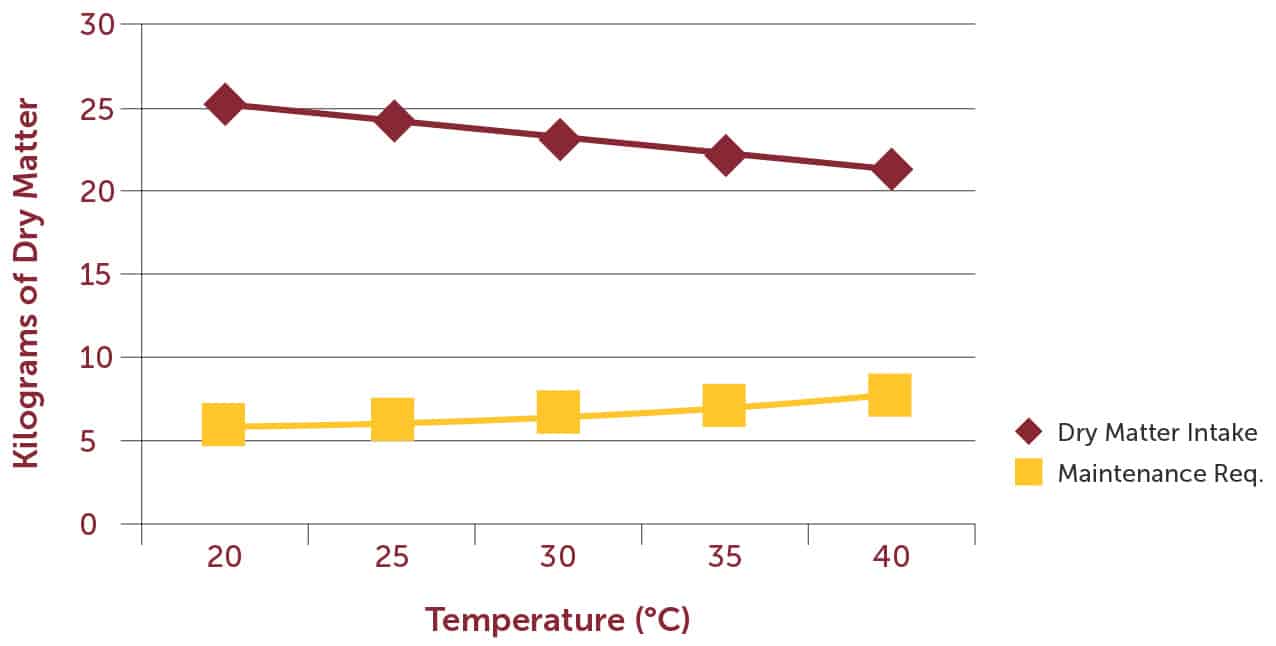
As cows get hot the hypothalamus in the brain tells the animal to drop feed intake. This will reduce the heat of fermentation and digestion and take heat out of the system. Sadly, less energy intake means less milk too!
At the same time, that feed which is consumed is digested and metabolised less efficiently.
A lot of this is due to changes in the rumen function. Hot weather produces panting. This produces loss of CO2 from the body. Keeping a tight balance on blood chemistry will see the cow urinate bicarbonate to keep blood CO2: bicarb ratio correct, and that is then unavailable to go into saliva, and the cow’s natural buffering mechanism is compromised.
Hot cows also slobber a lot, Uni Qld work has shown up to 100L/day slobber loss in bad conditions. This also will see saliva buffering quality decrease as we lose things in that slobber
The result is that Rumen pH declines: fibre digestibility specifically and organic matter digestibility more generally declines, so the animal yields less energy from the rumen, and is also more prone to acidosis
At the same time animals select against fibre and for starchy feeds. So, they further work against a stable rumen, a good rumen mat and good cud chewing.
Further again, blood flows in the body change away from the viscera to the extremities to shed heat. That means less flow past the rumen, and less VFAs are taken away from the rumen. VFAs in the rumen build up more again and increase acidity further.
To cap it all off…. once we get low rumen pH the receptors in the gut wall respond by dropping rumen contractions. This even further compromises cud chewing, natural buffering, rumen mixing and transport of VFAs from the gut to make energy.
Things get sadly out of whack pretty quickly in terms of the cow’s energy supply
#2. Energy Requirement goes up, and the form of energy needed changes
Right when the cow has real trouble supplying energy, her demands will ramp up rapidly. Staying cool on hot days relies on evaporative cooling…sweating and panting in cow terms.
Panting takes LOTS of energy obviously. Cows can breathe at 80-100 breaths/min in real stress. It takes massive effort and energy
Even more crucial is the energy consumed to keep the viscera hydrated properly in the face of the animal moving body fluids away to the extremities to keep cool. The cow pushes Na/K into the cells, and this helps hold water inside the cells and stops them dehydrating……but it takes heaps of energy.
The upshot is that maintenance requirement can easily raise 20-25% in heat stress…right at a time when energy supply is dropping off. Maintenance always comes before milk, so it’s no wonder milk drops!
Crucially, in recent Arizona work, the cows are shown to be desperate for glucose specifically as an energy source. At most times a comfortable cow can use a lot of different energy sources at the tissue level. These include fats (triglycerides), acetate, butyrate, lactate and glucose.
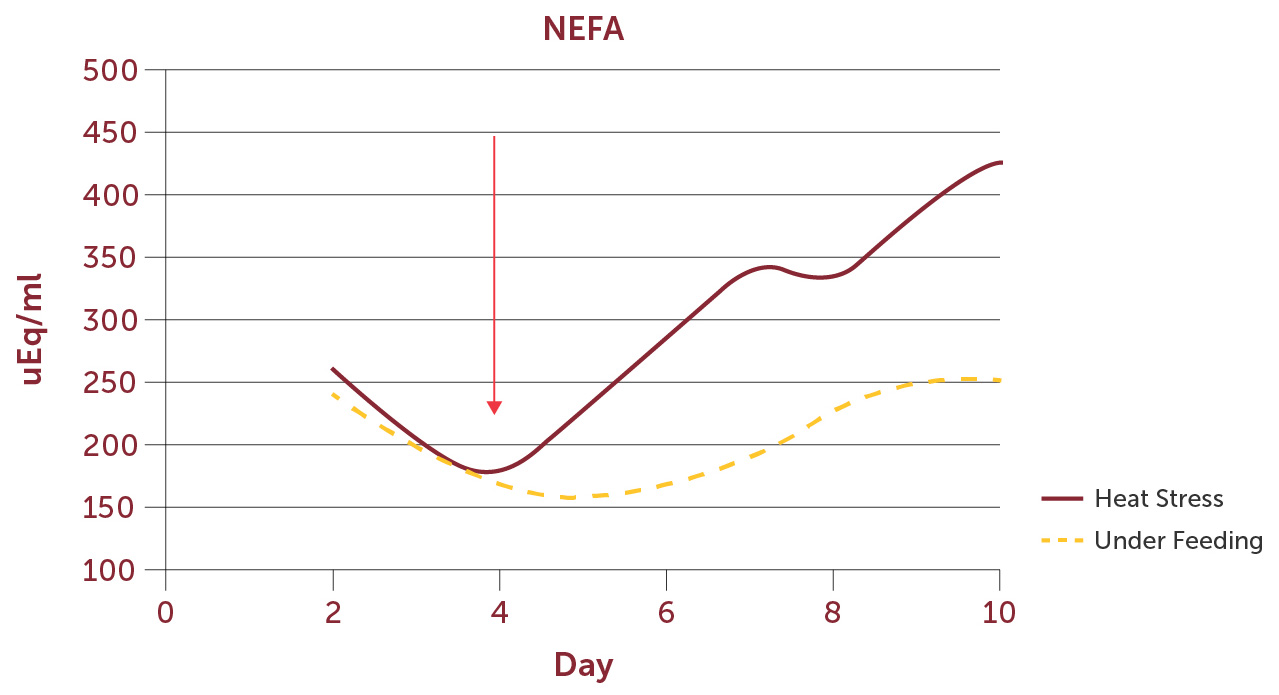
A hot cow has a massive increase in glucose demand, and a preference not to use dietary or body fat (in spite of being in negative energy balance). See the graph below that shows the blood NEFA levels (indicating body fat mobilisation) of heat stress cows in negative energy balance vs cows that are in “normal” negative energy balance in early lactation. Hot cows are lower in NEFAs, indicating a preference for other energy sources i.e. GLUCOSE.
She will still lose weight when she stops eating but would prefer, we supplied energy as glucose if she can have it, please!
Providing a means of supplementing glucose supply, or sparing glucose use in the cow, is really important to that cow.
It explains why the cows select for grain, as starch is a good glucose precursor.
Slow fermenting grains that produce glucose in the intestine, rather than ruminally fermented energy, are probably ideal.
Likewise, we can’t afford to give up fibre digestibility when the rumen comes under stress, as energy sources like acetate from fibre fermentation can be used in certain body tissues, and this spares the glucose consumed.
So, what can we do to help the cows handle heat stress nutritionally?
- What is your grain feeding level? If you have a lot of high fibre forage in the diet one of the easiest ways to support the herd in heat stress is to increase the grain in the dairy or the wagon a little. It meets the cow’s preferred energy and physiology state and can be done safely
- Find the best quality forage you can feed at this time. Poor forages are selected against and also dilute out the energy content of the diet. Good forages are consumed more willingly, and contribute nutrients whilst still maintaining rumen mat and safety
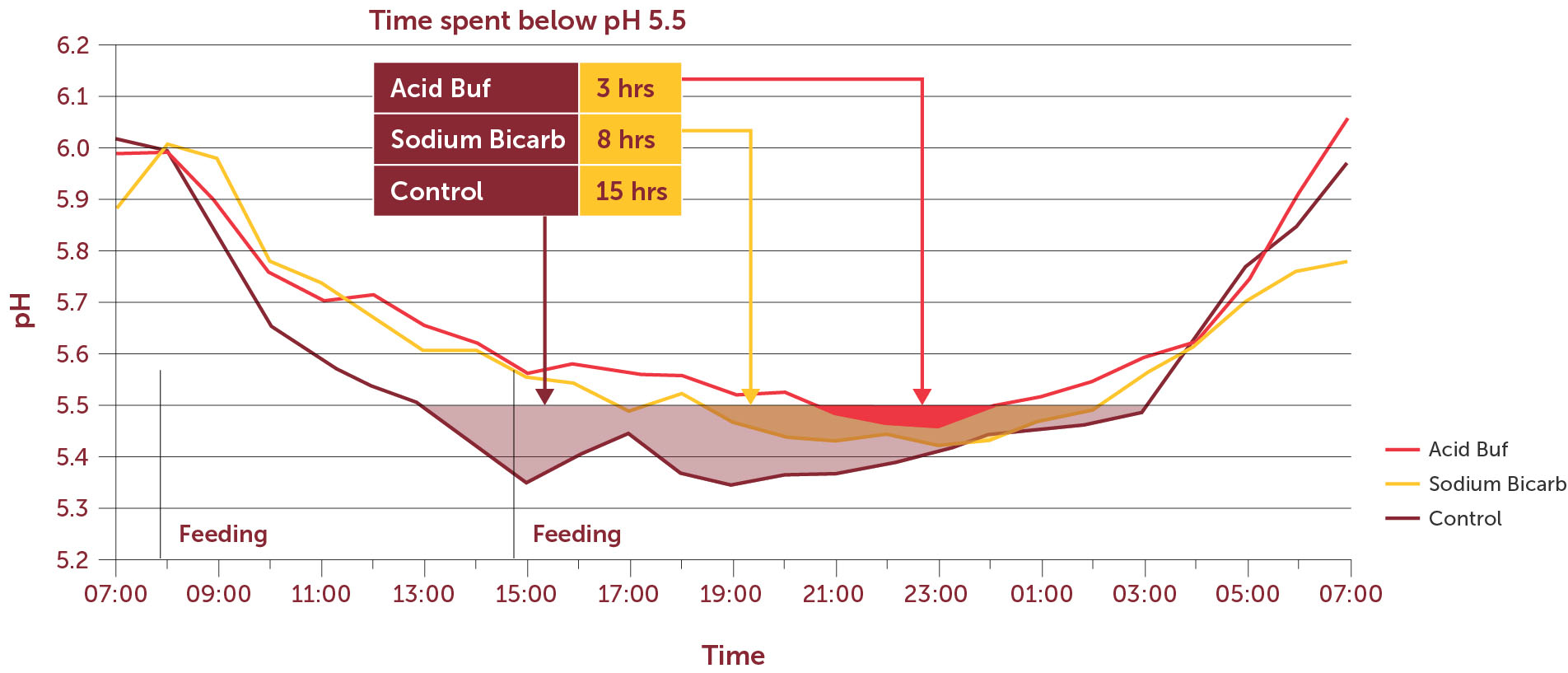
- Bump up your acidosis control measures with ACIDBUFF. A lot of heat stress impacts are delivered via ruminal instability. Use ACIDBUFF that work on SARA and normal VFA accumulation as well as lactic acid accumulation. ACIDBUF is a great buffer with a longer ruminal dwell time then bicarb. That is important in heat stress conditions.
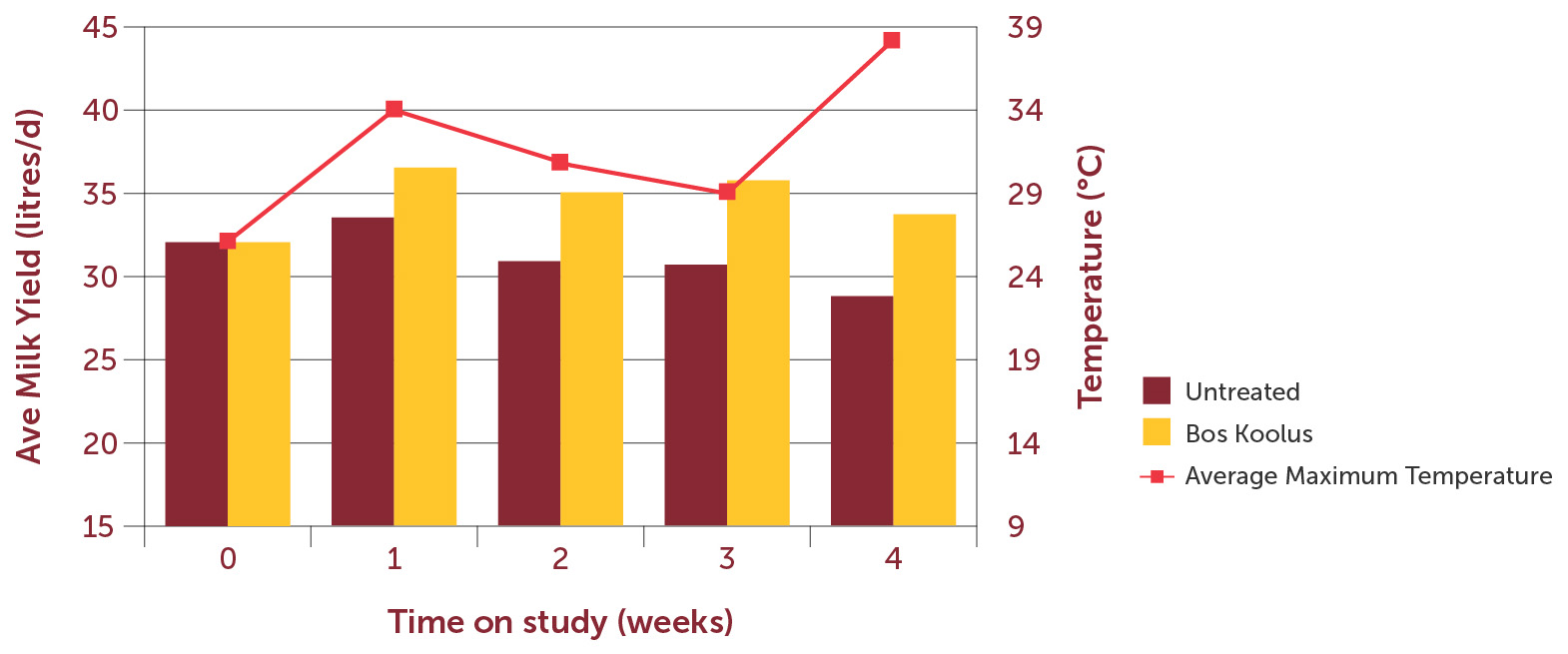
4. Implement NATURAL BETAINE. This product spares maintenance energy, improves visceral hydration, increases dry matter intake in hot conditions and may improve VFA transport ex the rumen. Trial work at Uni. of Adelaide (Roseworthy) and field experience suggests 2-4 L response in heat stress conditions.
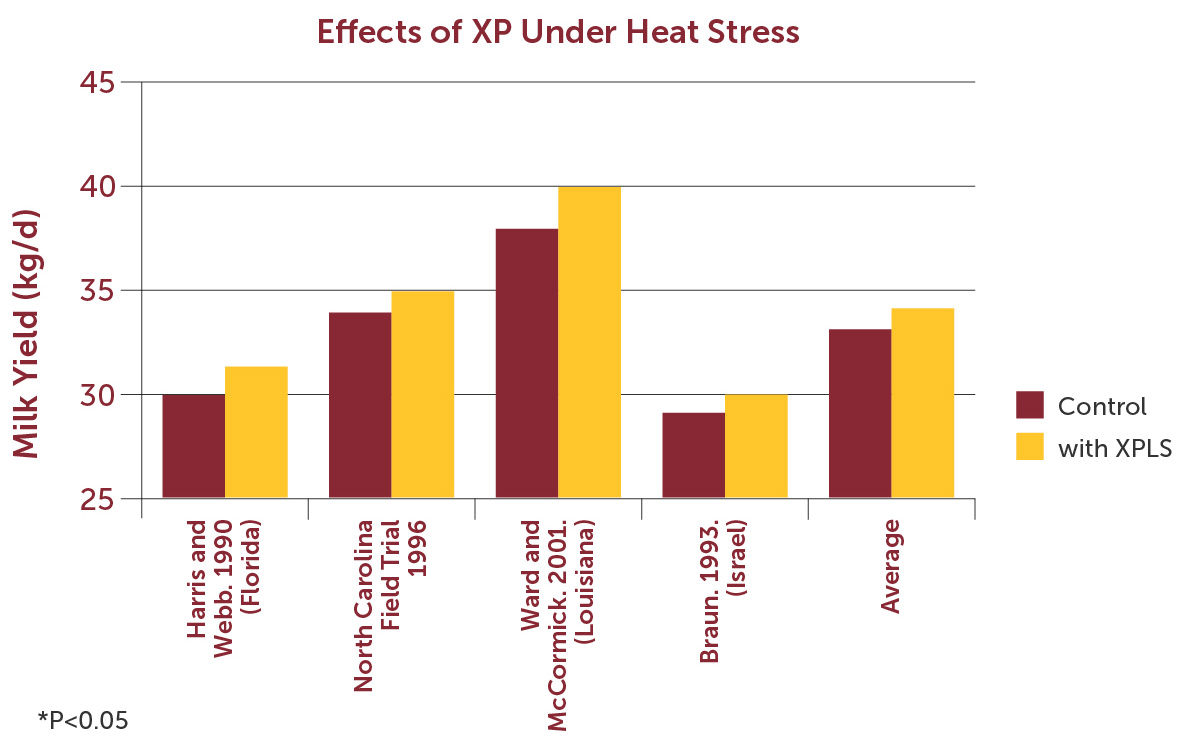
5. Implement DIAMOND V metabolites. Not only does Diamond V have great impacts stimulating dry matter intake and maintaining fibre digestibility, but it also stimulates propionate yields as a precursor for glucose, and has some wonderful, replicated data on heat stress trials.
6. Slow starch delivers glucose…the energy form the cow needs, but with less fermentative pressure on the already stressed rumen. Consider corn in grain mixes for slow starch production alongside winter cereals like wheat and barley.
Managing heat stress is challenge but done right can see BIG responses in difficult conditions. Your team at Reids are ready with the knowledge to help with the steps that work best at your place.
Talk to your local Reid’s Dairy Specialist today about the benefits of our mash and the products we can offer to suit your requirements on 1300 REID FEED or enquire here >
Author
Ian Sawyer
Ruminant Nutrition
Feedworks
