It doesn’t matter how good animal feed is, if it is kept in poor conditions, it will deteriorate, so let’s take a look at how feed is produced to give it long shelf life and preserve nutrient quality, and how to maintain this on farm.
Nutrient content and availability vary according to source, harvest conditions and inherent characteristics relating to form (inorganic minerals, for example). Modern feed science has studied this extensively for decades, and, in the last 30 years or so, this has formed the basis of developing technical ingredients to counter act such barriers for digestion and animal performance. Some of these are to prevent spoilage in storage on farm.
Actions to prevent spoilage during milling
Quality feed producers take steps to monitor their raw materials, which are the cereals, fibre and protein sources used to make up the majority of the diet. Feeds are formulated to meet the energy and protein requirements of the specific animals, including the essential micro ingredients, which are the essential amino acids, vitamins and minerals. Higher tech diets utilise various ingredients to increase the digestibility of raw materials, such as enzymes which promote carbohydrate and protein breakdown, making these more available to the animal and reduce the amount lost in manure and urine – a benefit to the environment.Other ingredients in animal feed can be ‘protected’ from rumen and stomach conditions to prevent their loss in the gut and maximise delivery to the host animal. Feed mills use specialist ingredients to prevent spoilage, and store their feedstuffs in cool, dry conditions in clean silos, which inhibits any mould or bacterial growth that may be present in the wider environment.
Such environmental contaminants include toxins from moulds, which are unavoidable as they are present in the field during harvesting and proliferate massively in warm, wet conditions. To limit any mould, pH modifying compounds are mixed in which prevents their growth. As extra insurance, mycotoxin binders are included in diets, which effectively remove toxic compounds by irreversibly binding them. This renders them incapable of interaction with gut tissues or absorption into the blood, where they cause significant liver, immunity, cell and tissue damage.
On farm storage
It is a different story when the feed arrives on farm. Although clean and high quality at delivery, its ongoing status remains open to change depending on how it is kept. Silos can be dirty and carry old, mouldy feed in corrugations and corners, which will contaminate the new feed over time, especially in warm, humid conditions. Farmers must check that there is no old feed left in silos, by knocking or brushing to clean them out. Washing the insides with clean water, to prevent bacterial and mould contamination, can be done – but inside walls and pipework need to be completely dry before any new feed is stored in them. Storage bins and even bagged feed heat up if the sun is directly on them during warmer weather. This can cause the oil in the diet to become rancid, leading to ‘off’ flavours which reduce feed intakes and digestibility.
Feed and water
Many people ignore the role of clean water for animals. They are as susceptible to water-borne infections as humans, including in areas where inorganic mineral contamination is a problem. Water intake in animals and the ratio to feed intake is highly dependent on their physiology. For example, a chicken may consume 2-3 times the weight of water compared to their daily feed intake. Cattle will consume massively more, as they have evolved in wetland environments and need a lot for rumen fermentation and, for cows, milk production. When mixed, as it inevitably is, water can contaminate what would otherwise be clean feed with a variety of pathogens. This can affect microbial populations in the rumen, leading to problems more typically blamed on feed, including certain types of bloat. Where water contains high levels of minerals, such as inorganic iron or copper, this can affect the specially balanced minerals in the feed, causing excess intakes from the water that causes all manner of problems for the animal and regarding productive performance. It is important to remember that water is always necessary for the proliferation and colonisation of disease-causing pathogens – hence why any used for cleaning feed storage bins and silos must be completely clean.
From silo to trough
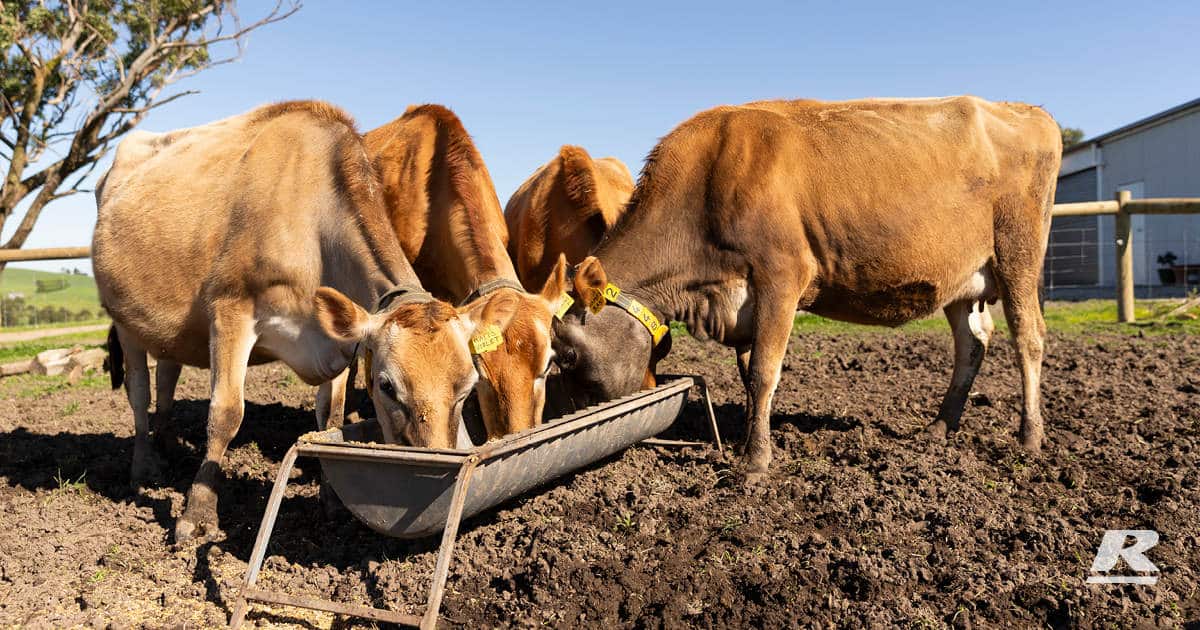
All equipment involved in delivering feed to the animal should be checked for likely contamination – which includes mixer wagons, pipes and augers, automatic feeding systems and containers in the field. One of the most affected animals regarding contamination are calves, piglets and lambs, as these young animals are very susceptible to any infections that may be ingested. This is because milk calfeterias are notoriously hard to clean and a major cause of diarrhoea and, after they are weaned off milk consumption, there is an immune ‘weaning gap’. This is where the animal’s immune system has to develop rapidly to ensure their ongoing health and growth. Trials have shown that dirty feeders can cause immune suppression, making them vulnerable to other infections, and reduce feed intake and weight gain. Any limitations in young stock have ramifications for its efficiency, welfare and productivity throughout its life.
Although companies go to great lengths to ensure delivered feeds are clean, balanced for desired nutrients and good quality, once they are on farm, they must be held in clean, dry conditions to maintain such status. It is important to check all bins, silos, pipework, equipment and feeders to ensure that the animals get the maximum from their diets, with the minimum of exposure to harmful contaminants.
.
Talk to your local Reid’s Dairy Specialist today about the benefits of our mash and the products we can offer to suit your requirements on 1300 REID FEED or enquire here >
 Author
 Author
Dr Lucy Waldron
PhD RNutr AAS RFellow (Massey)
Head of Nutrition and Technical Services
